Slow cooking basics
The convenience of slow cooking
Tender meals, less hands-on work, and one pot waiting at dinnertime—that is the everyday appeal of a slow cooker.
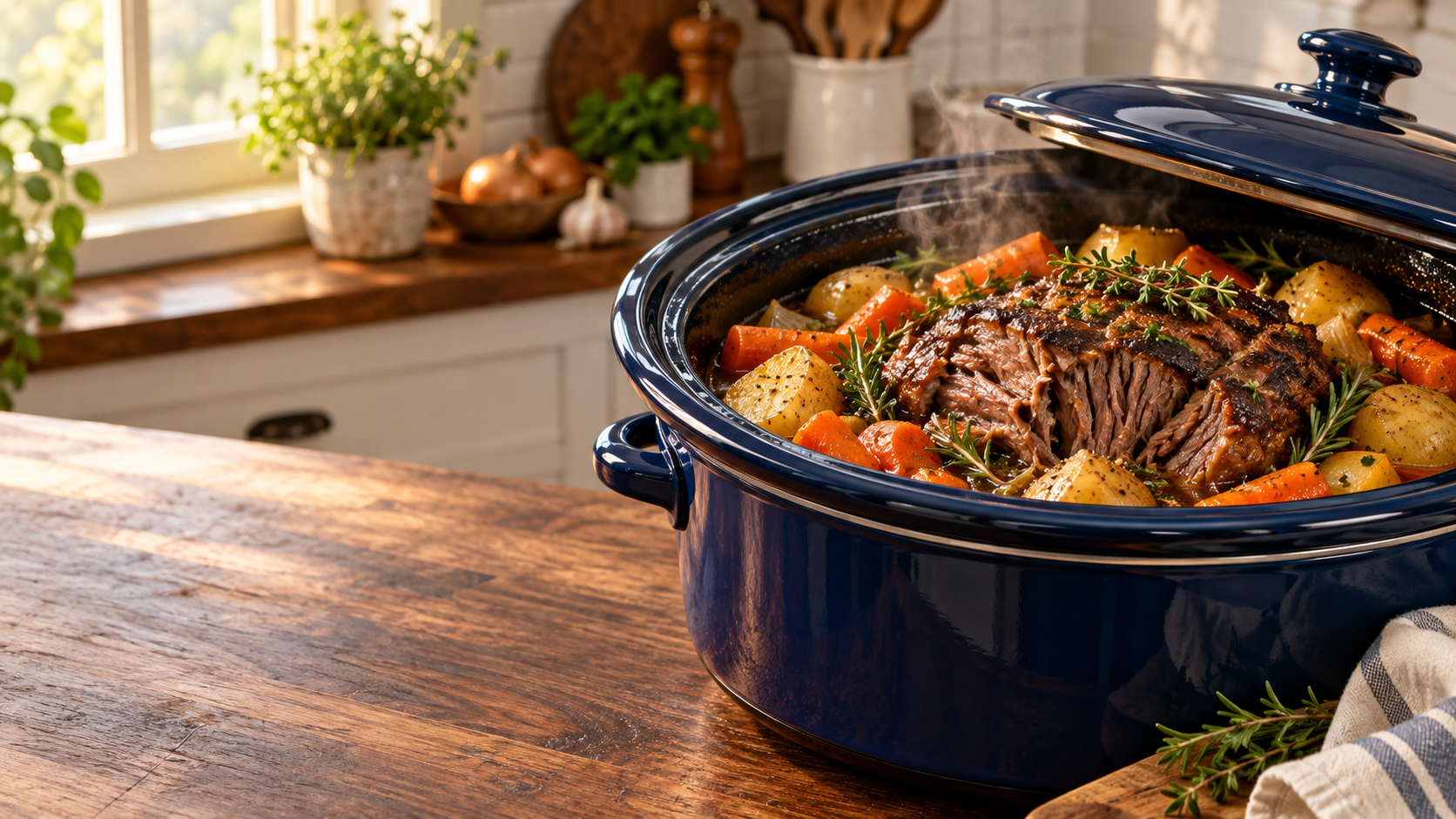
The slow cooker earned its place in home kitchens because it turns one short period of preparation into a meal that cooks with very little attention. Add the ingredients, select the heat setting, put on the lid, and let steady heat do the work. Hours later, dinner is hot and ready to serve.
That does not mean every slow-cooker recipe is completely effortless. Some meals benefit from browning meat, chopping vegetables, or thickening the sauce at the end. But compared with cooking over a stove, the active work is usually brief. There is no burner to stir every few minutes and no oven dish demanding constant checking.
A put-it-in-the-pot kind of meal
Many slow-cooker dishes follow the same simple rhythm. Vegetables and seasonings go into the crock, meat or beans are arranged on top, and a measured amount of liquid or sauce is added. Once the cooker is covered, the meal can simmer while you work, run errands, tend to the house, attend church, or simply enjoy the rest of your day.
This makes slow cooking especially useful on days when the evening will be crowded. Preparing dinner before the busiest part of the day means fewer last-minute decisions, fewer dishes on the stove, and less temptation to buy an expensive convenience meal on the way home.
Why slow-cooked food becomes so tender
The texture is not magic—it is the result of time, moisture, and gentle heat. Tougher cuts such as chuck roast, pork shoulder, and country-style ribs contain connective tissue. During several hours of cooking, that tissue gradually softens and turns silky, helping the meat become fork-tender.
The closed lid also traps steam and limits moisture loss. Instead of quickly drying on the outside, the food cooks in a humid environment surrounded by its own juices, broth, or sauce. Root vegetables soften, beans become creamy, and seasonings have time to blend throughout the dish.
This is why economical cuts often perform so well in a slow cooker. A cut that might be chewy after quick cooking can become rich and tender when given enough time on low heat.
Convenient does not mean careless
A slow cooker is forgiving, but a few choices still matter. Use thawed meat rather than frozen meat, follow the appliance manufacturer's filling guidance, and resist lifting the lid repeatedly. Every peek releases heat and can extend the cooking time.
Choose the cooking time according to the ingredient. Collagen-rich roasts can handle a long day on low, but lean chicken breasts and pork tenderloin may dry out if left for eight or ten hours. A programmable cooker that switches to warm can help, but the warm setting is intended to hold cooked food—not to cook raw ingredients.
Meals that fit the method best
The most dependable slow-cooker recipes contain ingredients that benefit from moist heat and do not require a crisp exterior. Pot roast, pulled pork, country-style ribs, soups, stews, chili, dried beans, and chicken thighs are natural choices.
Delicate dairy products, seafood, pasta, and quick-cooking vegetables usually belong near the end. Crisp toppings are best prepared separately and added when serving. Understanding that difference keeps convenience from coming at the expense of texture.
Convenience that continues after dinner
A slow cooker can save time beyond the first meal. A large pork shoulder can become sandwiches one night, tacos the next, and a topping for baked potatoes later in the week. A pot of beans can become soup, side dishes, and freezer portions. Cooking once and using the results several ways reduces both preparation and cleanup.
For households with different schedules, slow cooking can also make serving easier. The main dish stays together in one pot, and each person can build a plate without preparing a separate meal. That flexibility is one reason slow cookers remain useful even in kitchens filled with newer appliances.
The real benefit: less pressure at the end of the day
The greatest convenience may not be measured in minutes. It is the relief of knowing that dinner is already underway. A little preparation early in the day can remove one of the biggest questions of the evening: What are we going to eat?
Slow cooking will not replace every method, and it will not make every food better. But for tender meats, comforting soups, hearty beans, and family-sized meals, it offers something valuable: dependable food with less hands-on attention. Put the ingredients in the pot, let low heat work patiently, and return to a meal that is ready when you are.